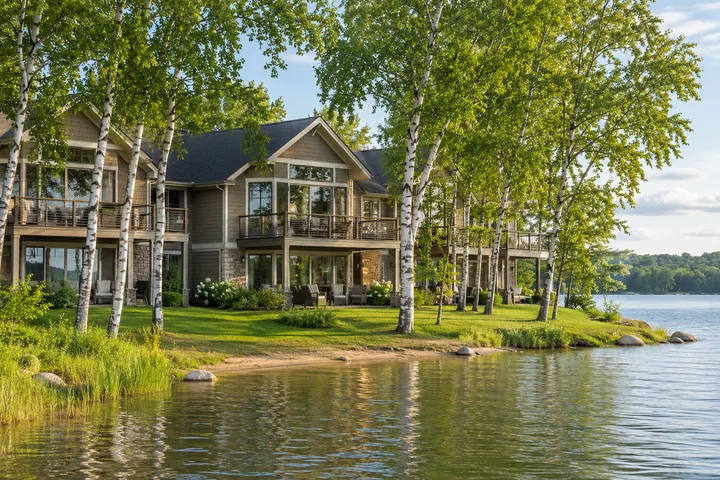


When should I visit the Whitefish Chain?
Summer gives you the widest choice of water activities. Fall suits a quieter trip with hiking and color. In winter, make trail conditions and access part of your plan before you book.

A different lake trip in every season
Plan around what the Chain is doing that week, and leave time for the changes you came to see.
You can return to the same Whitefish Chain cabin four times in a year and spend the four visits doing almost nothing alike. In spring, there might be work going on down at the dock before anyone wants to sit there. By midsummer, breakfast can start at the water and end with a decision about where to take the boat. Fall is good for looking farther than the familiar part of a lake. Winter can make a trip that felt effortless in July require a few calls before you leave. The time of year changes which details are worth planning and which you can leave to the day.

Spring brings the Chain back to life
Plan the early part of the season around trails, quiet roads and a place to stay that is ready when you arrive. If you are bringing a boat, confirm the launch and dock are available for your dates. A little flexibility matters in spring. The shoreline can look ready for summer while the people who maintain it are still putting things in place.
Summer is a good time to stay put
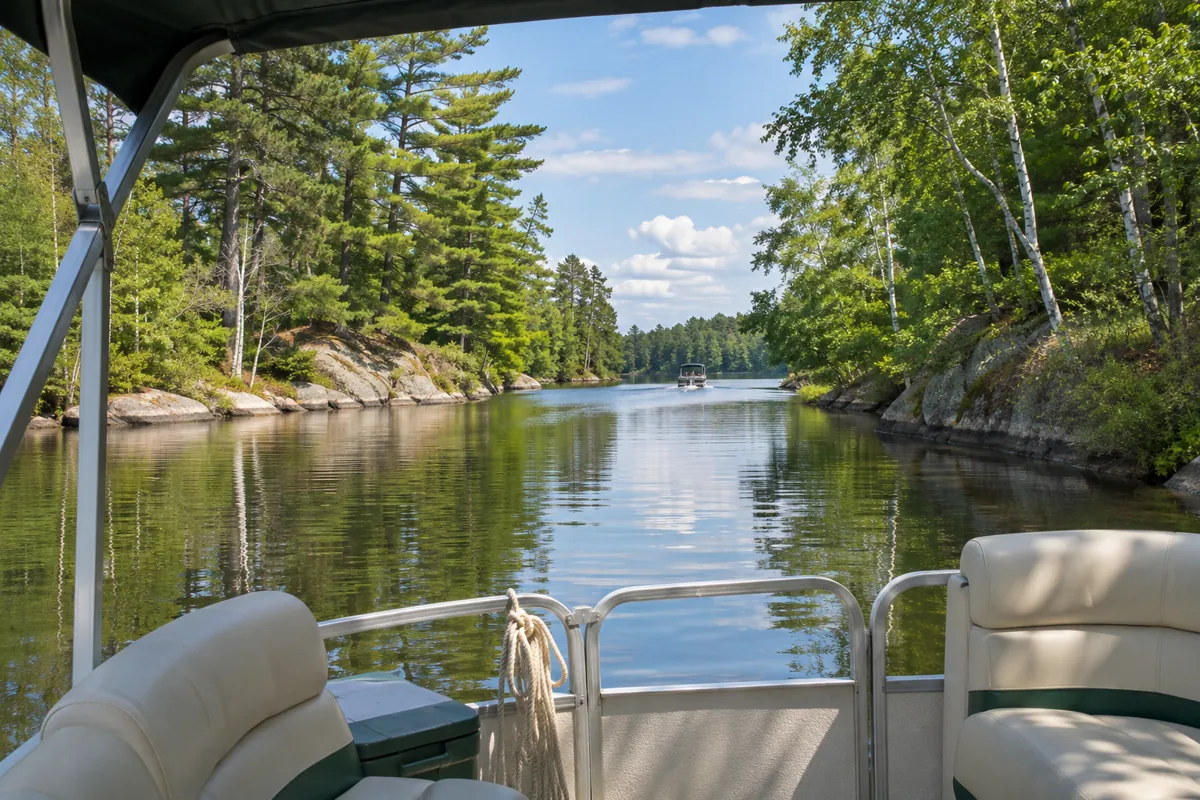
Start with the mornings you want. A family that likes an early swim might prize a good beach over a place closer to town. If you plan to cross the Chain by boat, consult the channels and launches guide and choose a route before you leave. Reserve boat rentals or a tee time around the part of the day you most want to keep.
Come for color or a quieter winter weekend
Follow the DNR fall color reports if foliage is the reason for your trip. In winter, check Crow Wing County trail information before choosing where to ski. Treat lake ice as a separate decision and read the DNR ice safety guidance. Leave room for a warm meal and an evening in, especially if you are traveling with people who want different amounts of time outside.
Make spring about what you can see from shore
Come in spring if you like seeing a place wake up. Look for the first places where the ice has pulled away and notice the difference between the sheltered shore and the open water. They can be living on two different calendars. Birds are worth looking for from a safe dry place, and a walk by the Pine River outlet gives you a way to be near moving water while the lake itself is still changing. Put shoes in the car that can handle a damp parking lot. The easy trail marked on the summer map may feel different when the ground has thawed only partway.
If the whole trip depends on boating, call both ends of the plan. A launch may be open even when your lodging has not put the dock in. The dock can be ready while the rental operator you wanted is still working to a later calendar. Ask about the dates that matter to you. If the answers are uncertain, decide which part of the trip would still be worth coming for. A meal in Crosslake, an hour in the woods and a cabin warm enough for an evening in can be an excellent weekend on their own.
Give a summer morning to one lake
There are days in July when it is tempting to go as far as the boat will take you before lunch. Try spending one morning on the lake where you are staying. Learn which side is quietest after breakfast and how the water looks when a breeze comes up. Give someone new to the Chain a chance to see where the shoreline changes from open water to the beginning of a channel. You will recognize more of the landscape when you take a longer trip later in the week. For a family with young swimmers, take an hour to learn the stretch of shore they can use comfortably instead of moving the whole group between beaches.
Set a longer outing for a day with a good weather window. Use the boating guide to check directions and the parts of the route where you should slow down. Give another person the plan before leaving. Agree on a time to turn around if the group wants to stop more often than expected. The friends who want a long cruise and the people who want time to swim both get a better day if there is room in the schedule to do one thing well. On the busiest weekends, book a meal ashore or take lunch along and choose an outing that does not depend on everyone getting a table at the same hour.
Look for fall color at two different scales
Start with a drive or a walk that shows you a mixture of trees. Pines give the yellows and reds a background, and the best view may be a short stretch on the way to the place you planned. Use the state color report as a starting point. A report for a large area will not tell you what is happening on one particular shoreline after a windy night. Build the day around a walk you would enjoy with or without peak foliage. In the afternoon, return to the water and see how different the colors look reflected across a quiet bay.
Shorter days change what fits. If you want dinner out after a long ride, check the restaurant's schedule and the time you need to leave the trail. The part of a ride that seemed quick on the way out feels longer when the light drops and everyone is ready to eat. Keep gloves or an extra layer handy for the last hour. A warm room and a view of the shore can be every bit as good as another stop when you come back.
A winter weekend starts with a workable plan
Choose the cabin and the outing together. Confirm how the driveway is maintained and where extra cars can go after snow has been pushed aside. Find out whether someone will be around if you have a question about the heat or the road. For skiing, look up the most recent condition update for the trail you want. A groomed route can change quickly after snow, rain or a thaw. Plan an alternative for members of the group who would rather have a shorter walk or stay close to town.
A lake in winter is still a lake, even when it looks like part of the road or yard. Follow current DNR ice guidance and pay attention to local conditions. If the visit is about scenery, there is plenty to see from land. A late morning in the woods and a meal close to where you are staying make an easier pairing than a long list of stops in unfamiliar road conditions. Let daylight and weather set the order of the day.
Choose what you would come back for
Try one trip in a month you do not usually visit. Think about what you still want to do if the dock is out or if a familiar shop is closed for the day. If there is still a good answer, you have found another way you like to spend time on the Chain. Most places are more interesting when you have seen them under more than one kind of sky. Leave with an idea for a different season, and a reason to return that is yours.
Look for the small shifts as well as the obvious ones. A place you visit in summer may reward a different shoreline walk when the leaves are down and the view through the trees opens up.