

Can I walk at Uppgaard Wildlife Management Area?
Plan for an unstaffed wildlife area. Check current DNR access and posted rules and consider hunting seasons before your walk.

An hour at the edge of the woods
Uppgaard offers a different kind of Whitefish Chain outing, where the best part may be something you spot because you stopped walking.
A walk in a wildlife management area asks for a different pace from a visit to a busy park. At Uppgaard you can set out with a pair of binoculars and the intention to see what is there. The trip can fit into a morning at the lake, but let the conditions decide what that means. A bird calling from cover, an opening in the trees or the shape of plants along water can make a short walk a complete outing. Stay long enough to see what happens when you give a place your attention.
Go for the things you might miss from the road
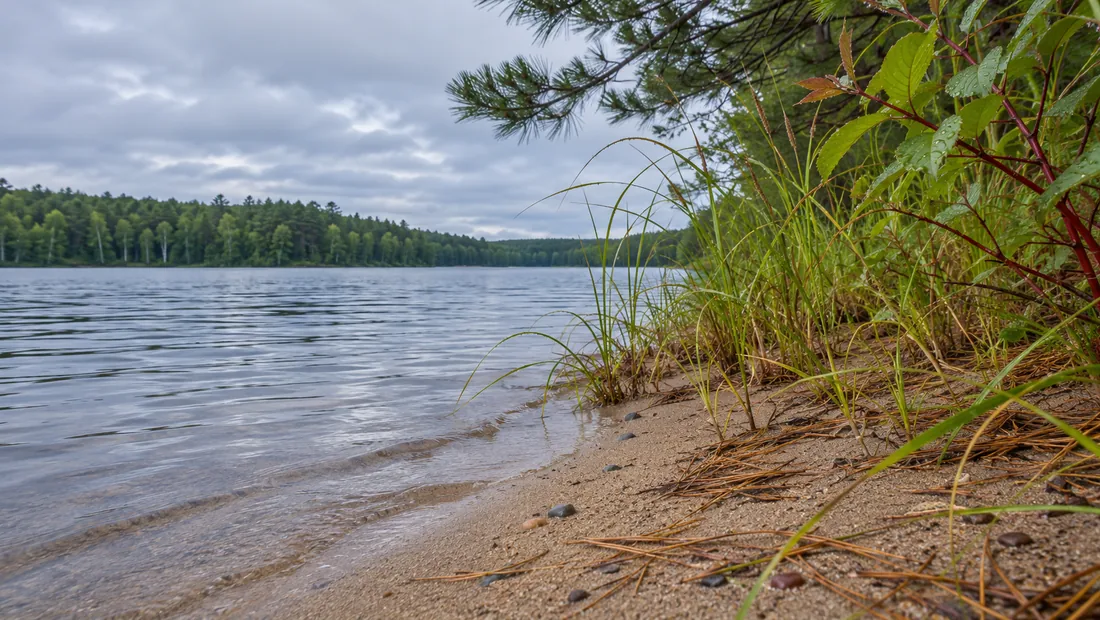
At Uppgaard, give yourself time for a slow walk. Bring binoculars and make a few stops near the edge of the woods. What you see will depend on the season, water and weather. Early in the day you might have the trail mostly to yourself. Use the DNR's wildlife landscaping information if the visit inspires you to make changes at your own place.
Check wildlife-area rules before you go
The DNR WMA rules are a starting point. Look for restrictions that name Uppgaard in particular and read posted signs when you arrive. Confirm what is allowed if you are bringing a dog or planning anything beyond a walk. Conditions and rules that apply at another wildlife area may differ here.
Pack for a quiet, unstaffed stop
Bring water, insect protection and shoes for uneven ground. If someone in your group needs a predictable surface or an accessible restroom, choose a developed park with confirmed facilities. The Parks & Trails guide can help you find one. Uppgaard is a better choice when you have the time and interest to walk at the pace the place invites.
Know what kind of ground you are visiting
A wildlife management area is managed for wildlife and the public uses allowed there. Read the DNR's rules and any instructions that name this particular unit. Posted rules can have more to say than a filtered map on your phone. If there is a hunt in season, learn how it affects your visit and follow current guidance. Confirm whether the route, activities and conditions suit the people in your group. It is easier to adjust the outing at breakfast than at the beginning of an unfamiliar path.
Prepare for a site without the expected conveniences of a developed city park. Bring the things you ought to have for a self-contained walk, including water, a way to navigate and the right layers. Give yourself a straightforward return and leave the parking area with someone knowing where you are headed. Casual walks are often the easiest to underplan because you are close to town. Set a sensible limit and leave more time than you need to get back.
Spend a few minutes in the transitions
The point where the woods open out gives you an opportunity to see two settings from one place. Stop before you step into the open and look for movement ahead. A flash of color can be easier to pick up from a distance than it is to identify in a hurry. Follow it with your eyes before raising the binoculars. Listen for a few minutes as well. Weather and season matter. Wind can obscure quiet sounds, and a wet morning can make low paths less inviting. Changing your route may put you somewhere you can actually see or hear what is happening.
If two people in the group have different interests, give both some time. One might watch for birds and another look at how shrubs and ground cover change when the light does. A few observations can lead to questions worth looking up later. Keep identification tentative if you saw only part of the animal or plant. There is value in noticing that a place is used by wildlife even if you do not come back with a complete species list.
Use the visit to look at your own shore differently
A walk can change how you see the plants at the edge of a cabin yard. Look at the range of heights you find when water meets land. Some plants give cover near the ground, and taller ones give wildlife another set of places to move through. When you return to a dock or yard, look for where the plants have room to make a transition of their own. The land you can see from a cabin window may offer different opportunities than a public wildlife area. Start with the features already there.
Our Shoreline Stewardship guide is a useful next read if you want to take that observation farther. Learn which plants suit the ground you have and ask who regulates changes before beginning work. Look at the way water travels down the property after rain. Leave room at the water's edge for a process that works over several seasons. If you want a path, think about where people actually need to go and keep the surrounding shore protected.
Give the place something back by doing less on the walk
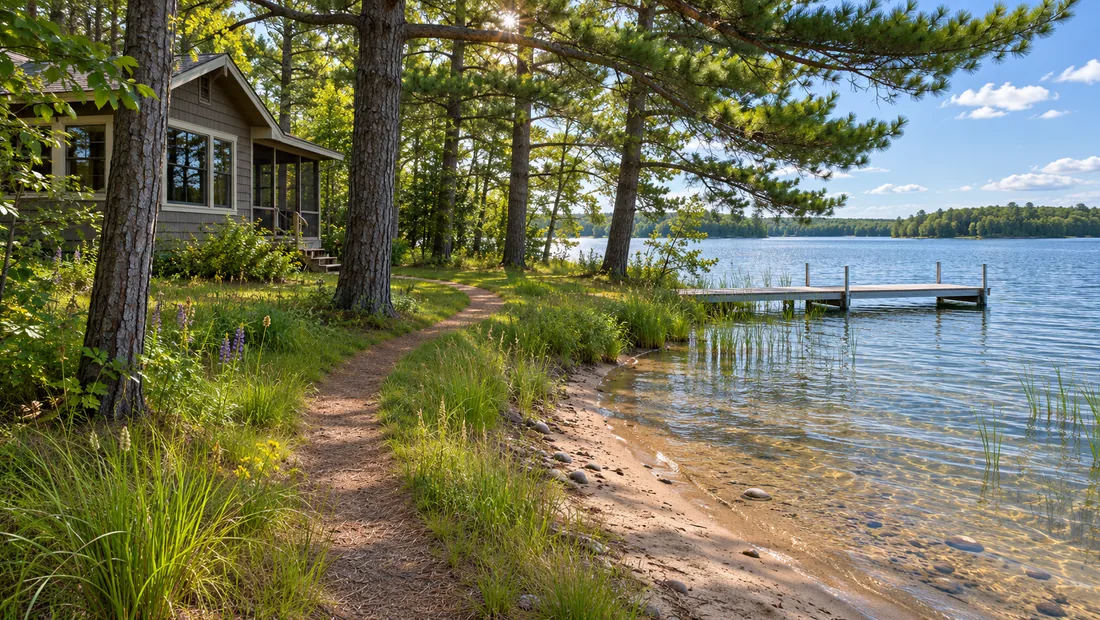
Follow the route and leave things where you found them. A close photograph is tempting when the chance seems rare. You will often see more if you stay still at a respectful distance. Bring binoculars for that reason, and consider whether the sound and activity of a larger group fit the part of the route you want to use. A young visitor can have a good time by trying to find three different things without picking any of them up. Let everyone tell the others what they saw when you reach the car.
If the ground is soft or an intended path is unsuitable, turn around. There is no need to push farther to prove you used the whole morning. A different kind of visitor may find more comfort at a developed park from the directory. Plan a visit here when the way the place is managed and the amount of time you can give it suit each other.
Read the boundary on the DNR map
The DNR's Uppgaard trail map marks the parking area, trails and approximate boundaries with nearby private land. It also distinguishes different forest cover along the trails. Save the map before leaving and compare it with the signs you see when you arrive. The road nearby is a useful orientation point. It does not tell you whether the land beside it is open for the use you have in mind.
People who already know the boat launch or a neighboring stretch of road should still look at the trail entrance separately. Plan the first walk from the designated parking. If you see more than one path, stay on the clearly identified route rather than relying on phone directions through the surrounding parcels. A good first stop is a place on the trail where you can sit or stand without crowding others. Watch how the cover changes on either side and keep the return straightforward.
Take the pace back to the lake
Back at the cabin, stand still by the water for a few moments before getting on the boat. The difference between looking and watching is as easy to find there as it is in the woods. See which edge of the shoreline changes first when a breeze comes up. If people saw something they want to identify, give them time to check a field guide while the shape or sound is fresh. The best result of the walk may be that you see more on the shore where you already spend your time.
Give yourself the same courtesy you would give another visitor. Take an unhurried look, keep the walk short if conditions are poor, and leave the next part of the day open.