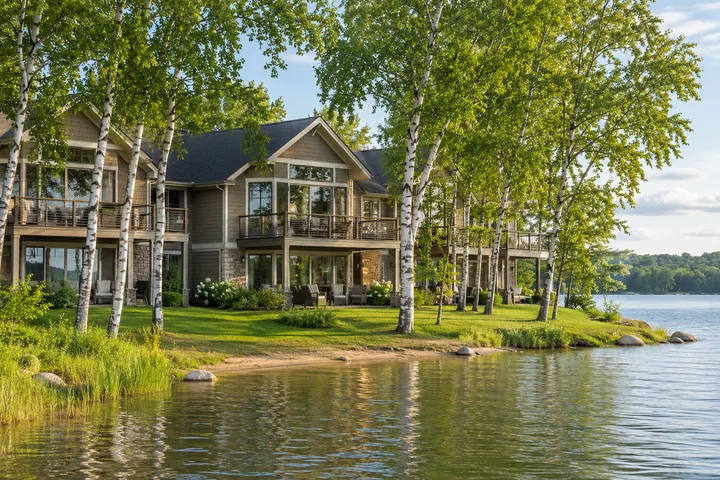


What should we look for when booking for several generations?
Ask about bedroom and bathroom layout, steps to the water, swim access, parking and places to gather indoors. Give everyone one place where they can spend time comfortably.

A lake week everyone can use
Set up a stay where several generations can share the best parts of the day and still find a little space of their own.
A young child, a teenager and a grandparent can have very different ideas of what makes a cabin worth returning to. Often those ideas come together around one place, such as a table or a shaded spot near the water, where no one has to be doing the same thing to be together. Look for that place before you count bedrooms. The best arrangement for a multigenerational trip is the one that lets everyone take part in the moments that matter and makes it easy for people to leave when they want a break.

Let the least mobile guest set the starting point
Ask about the walk from parking to the bedroom, bathroom, kitchen and water. A photo of a lovely dock tells you little about the steps that lead there. If people will be staying in separate cabins, check how long it takes to reach the place everyone will meet. Give people the option to go back to their own rooms without needing a ride.
Find one place for the whole family to sit
A long lunch on a covered deck can be better than booking an activity every afternoon. Count seats and ask whether visitors from other cabins can join you. Compare the shared outdoor space at resorts with what is included at private rentals. Think about how the gathering would work indoors on a wet day.
Give kids and adults different ways to spend an hour
Choose a dock or beach people can use comfortably, then make a short list of alternatives for anyone who would rather sit with a book or go for a walk. Set the gathering times and keep most of the hours in between open. At the end of the trip, people usually remember when they had enough time to sit down with someone.
Walk the day through in order
Start at the car and trace the route someone will take on arrival. Where can they unload? How many steps are between the car and the first bedroom? Is there a bathroom on that level? Now follow the route from the bed to the kitchen and out to the place people meet. A floor plan can help, but it will not always show steps or changes in grade. Ask the person who knows the property for a description or current photographs. Someone who would enjoy dinner outside should be able to get there without depending on a group of people to help every time.
Consider where a child can nap and where the rest of the family will spend that part of the afternoon. Think about noise in the evening and who needs the quietest room. Count actual beds instead of relying on the total number listed for the property. Ask about bathrooms, sleeping arrangements and whether the bedrooms can be closed off from shared space. A beautifully open floor plan has benefits. It works best when you know where the people who need rest can go.
Put the gathering place where people can reach it
Everyone does not have to stay under one roof to spend a good week together. Separate resort cabins may make mornings easier. One lake home may give the whole group a comfortable place to cook. In either case, find a table or porch where people can arrive and leave on their own. Count the chairs and see whether there is room for a second group nearby. A child working on a puzzle and a grandparent reading can share an afternoon even when the rest of the family is still out on the boat.
Give a rainy day the same amount of attention. A deck works when the conditions are right. Plan for somewhere the group can sit if the wind comes up or people want to eat indoors. If using a resort or rental for a shared meal, confirm which guests may be there and whether there are visitor or parking limits. Choose arrangements known to work for the number of people coming. It is easier to adjust the booking early than to explain on arrival why the central part of the trip has to happen elsewhere.
Make the dock one option rather than the whole plan
Find out how to get to the water, whether there is a place to sit and what the shore is like where people enter. A large dock can suit people who fish, while an easy beach can suit a different group. Think about who watches children around the water and how they will communicate when they hand that job to somebody else. Show everyone which places are suitable for the activities you have planned. Keep a dry alternative close at hand for anyone who does not care to get in the water.
For families who want some boat time, keep the first outing short enough that people can decide whether they want a second one. Put the clothing, water and other things people need where you can find them easily. If half the group would rather stay ashore, give them somewhere pleasant to be. A morning works better when getting on a boat is a choice rather than the only way to spend time together.
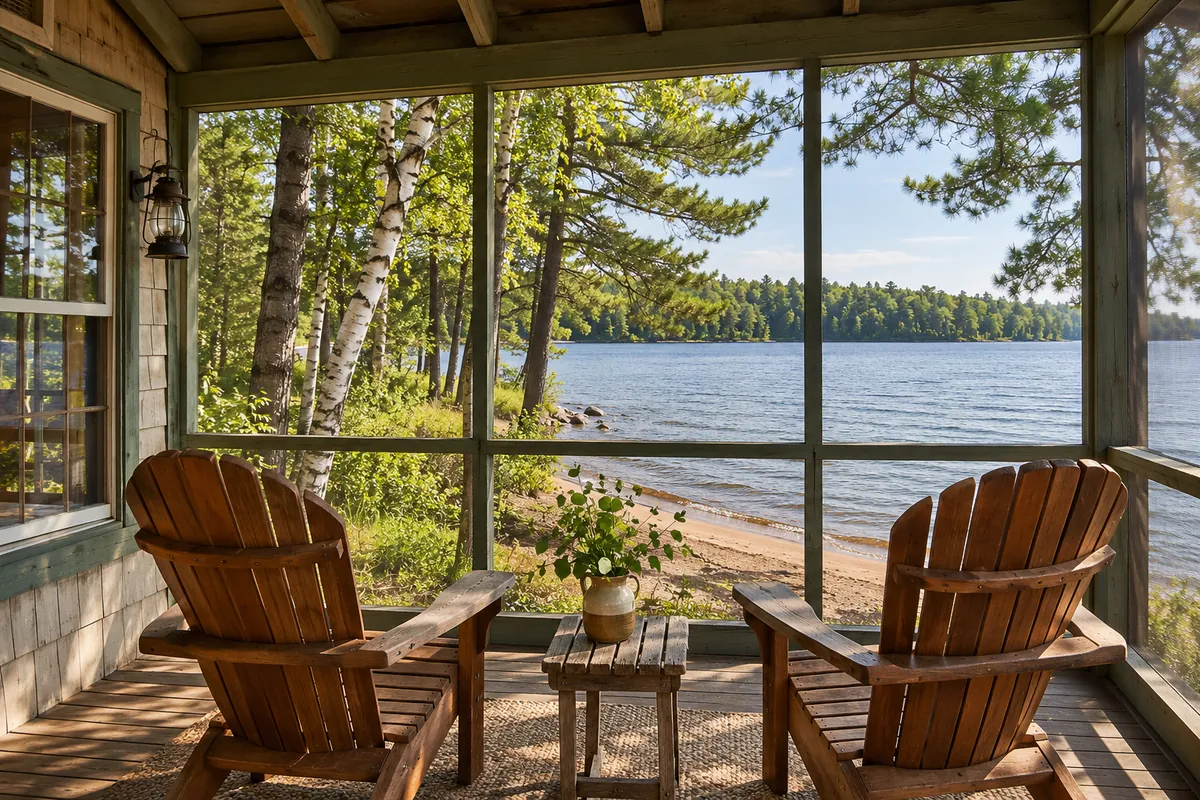
Agree on a few things before people arrive
Choose the main shared meal and a day when you are likely to make it. Let people know which other plans are optional. Give the household with the smallest children a clear idea of when everyone will eat. If someone is bringing a special item, make sure it has a home when they get there. Think about dietary needs, what can be prepared ahead and how food will get from one cabin to another if the group is split up. Put the information somewhere people can find without a long call.
Leave room for a spontaneous visit between the things on the schedule. A grandparent who does not want a full day on the boat may love an hour with one child at the beach. A teenager who has spent the morning on their own may be the first one back for dinner. Give people a reason to come together without making every hour depend on all of them wanting the same thing.
Let the people who need the place describe what works
Ask the grandparents, teenagers or parents of young children to look at the arrangements before they are final. You may find that someone prefers their own smaller cabin a short walk away or wants the only bedroom near the kitchen because they expect to get up early. Give each household a chance to explain the one thing that would make the trip easier. Their answers are more useful than a room assignment made from a list of ages.
Make a quick map of who will stay where before arrival. Mark the place where people can meet without figuring out which bedroom someone has. Tell late arrivals who can help them find the entrance and what they should do if the house is quiet. Good arrangements take some of the work out of the visit for everybody. When each person has a place that feels usable, the shared part of the trip can happen more naturally.
End with a tradition small enough to repeat
A breakfast outside, a walk to look at the sky before bed or an hour of fishing with the same person can become part of a family's lake week. Let those things happen on their own and make a little room to repeat them once people ask. The house, resort and lake still matter. Their best features may prove to be the ones that make these ordinary moments easy for more than one generation to enjoy.