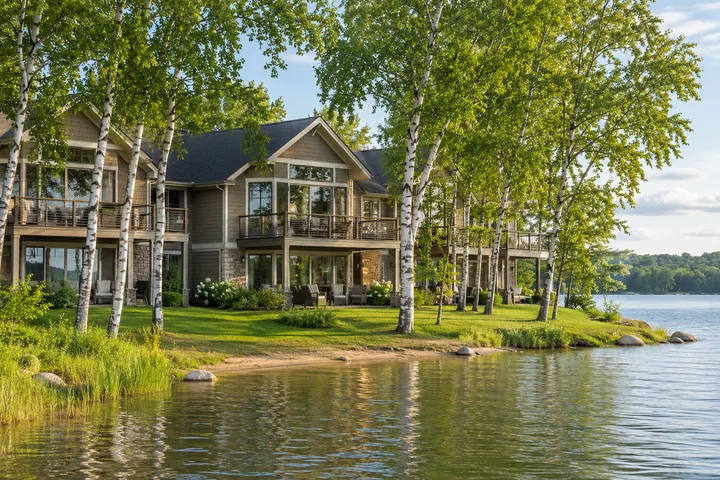


Where should I stay on my first trip to the Whitefish Chain?
Crosslake makes sense if you want dinner and services close by. Start with the lake and the dock setup if your days will revolve around boating or swimming.

Take the first weekend slowly
A good introduction to the Whitefish Chain starts with where you wake up, what you can do from there and one outing worth remembering.
A first visit to the Whitefish Chain is easier to enjoy when you leave a few things for the second one. Look at the map before picking a place to stay. The lakes are connected, and the towns are spread around them. A cabin that looks close to a favorite restaurant by water may have a longer drive than you expect. That can be ideal if the reason you came is quiet, and less ideal if several people want to go into town on their own. Choose the part of the day you most want to get right and book around that.

Choose where the day starts
If you want coffee, groceries and dinner close to your room, begin around Crosslake. If the plan is a swim before breakfast or a long boat ride, look at the beach, dock and location before you book. Mailing addresses tell you where to send a letter. The lake guides give you a better sense of where you will actually spend the day.
Reserve the thing everyone is coming for
Book a resort, private rental or campsite that fits the number of people coming. Then reserve the boat or tee time if it will anchor the weekend. Ask for the pickup location and the rules for overnight docking if you are renting a boat. This is worth a call before people start packing.
Leave something for the next visit
For a first weekend, plan one outing on the water and one in town. Choose a launch from the Boating guide or take an easier first look from a public park. Save a second restaurant or a longer ride for a day when the weather and the group are both up for it.
Pick the shore that fits a typical morning
Think about what you like to do before lunch. If families will head straight to the water, ask about the way down to the dock and what the entry is like. Guests who want to sit near the water may need shade and a place to go inside without a long climb. If you are looking at homes or cabins on a lake with different kinds of shoreline, compare actual access before deciding from a photograph. The word waterfront describes the location. It leaves the important questions about how you and the people you travel with will use it.
A stay closer to Crosslake makes sense when the group wants more town time or when you would rather have a short drive to get something you forgot. On a quieter part of the Chain, you may look forward to staying at the cabin for dinner. Pick based on the trip you actually like taking. The person who starts every morning with a walk might be happier with an easy path than with a larger place whose best feature is at the bottom of a steep hill. Ask everyone what they want the first hour of a good day to feel like.
Make arriving in daylight do some of the work
Get the property's directions from the person who knows the entrance. An address that works on a package still might not tell you which driveway to take or where to put another car. Arrive with enough time to see the road and the way to the water. Ask about what is provided at the cabin and what you need to bring. Put pickup times and reservations in one place. If you buy groceries before reaching the cabin, check that there will be room to store them and that the first meal is something easy to make in an unfamiliar kitchen.
Walk down toward the lake before evening if conditions are good. See where the path starts, how the dock is set up and where you would be comfortable taking a child or an older relative. If the boat is coming later, look for a place to put gear that will not be in the way. Give everyone a chance to settle in on the first night. An early meal and half an hour outside can make the whole trip feel as if it started earlier.
Plan one good trip on the water
The Chain has enough water to keep an experienced visitor exploring for a long time. Start with a route you can follow confidently rather than one that touches as many lakes as possible. Study the channels and the weather. Ask a rental operator about pickup, the boat's equipment, where you may take it and what you need to know for the return. If anyone in the group is new to boating, plan around the person who will need the most patience and the smallest weather window. Know the route back and give yourself a clear time to turn around.
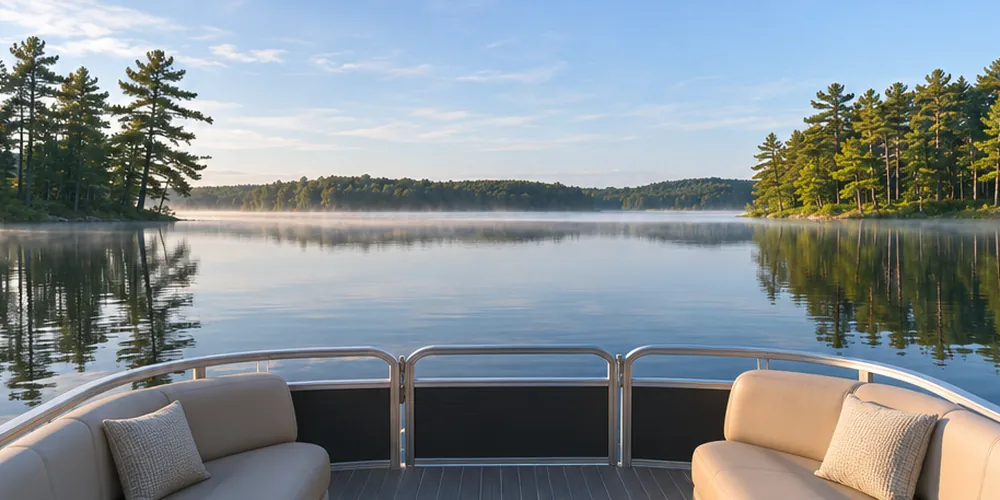
A first look from shore is an excellent alternative. The recreation area at the outlet of Cross Lake gives you a public place to see how the lake and river meet. A walk near the water can make a better introduction than a boat trip you are uncertain about. Use the Paddling guide if a canoe or kayak better fits your group. Choose a route and conditions that actually suit the craft and the people in it. Time together at a safe landing is as legitimate an introduction as a long afternoon on open water.
Give town one part of the day
Choose a town stop people will be glad to make. Dinner can do that on its own. A stop at the Historic Log Village or a shorter walk may fit if people are interested and the hours work. Take the appointment when it buys you something, such as a table for a larger group or a tour that matters to someone. Keep the hour on the other side open so you can give a good conversation or a favorite shop a little more time. The visit should feel like a break in the day rather than a race between plans.
When the weather changes, shift the order before filling the whole schedule again. A rainy morning can be a town morning. A bright evening can give you time back at the dock when you thought you would be sitting indoors. If you came for a particular outing that cannot run, decide whether to try another day or let it become a reason to return.
Choose two landmarks you can explain without a map
Give newcomers one point in town and one on the water to remember. The Pine River Dam is an easy starting point for understanding the outlet. A named landing or the closest town gives people a way to describe where they are meeting during the week. Save both places and the lodging address separately. If you are planning to go somewhere by boat and meet other people by road, make sure all parties mean the same entrance or dock. A good set of directions describes the visit you are making, not just the lake or town you will pass through.
Make one note you will use on the next trip
Before you leave, ask which part of the visit people would repeat. They may want the same cabin and a longer stay. They may have discovered they want a flatter walk to the water, one more day for boating or a place within easier reach of dinner. Keep the name of the lake they liked and the time of day they liked it. The next visit starts from what they actually enjoyed. That is much more useful than a list of the things they never found time to do.