

Where is Cross Lake Recreation Area?
The Army Corps recreation area is in Crosslake at the Pine River Dam. The Historic Log Village is across County Road 3. Check the campground or day-use listing for the entrance you need.
Get Directions
From the campground to the spillway
A walk at Cross Lake Recreation Area puts a swimming beach, a working dam and Crosslake's history within one short outing.
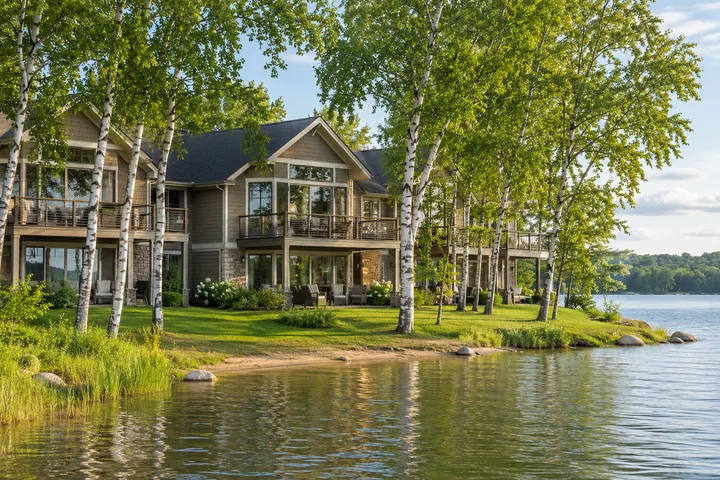
On a good morning at the recreation area, someone is already carrying a fishing rod toward the water before the picnic tables fill. Up by the dam, you can see the difference between the sheltered lake and the river moving away from it. Across the road, the buildings of the Historic Log Village give the rest of the scene a human scale. This small part of Crosslake is one of the easiest places to see several sides of the Chain in a single visit. Start by deciding whether you are here for an hour, a whole day or a night in the campground.
Walk to the outlet
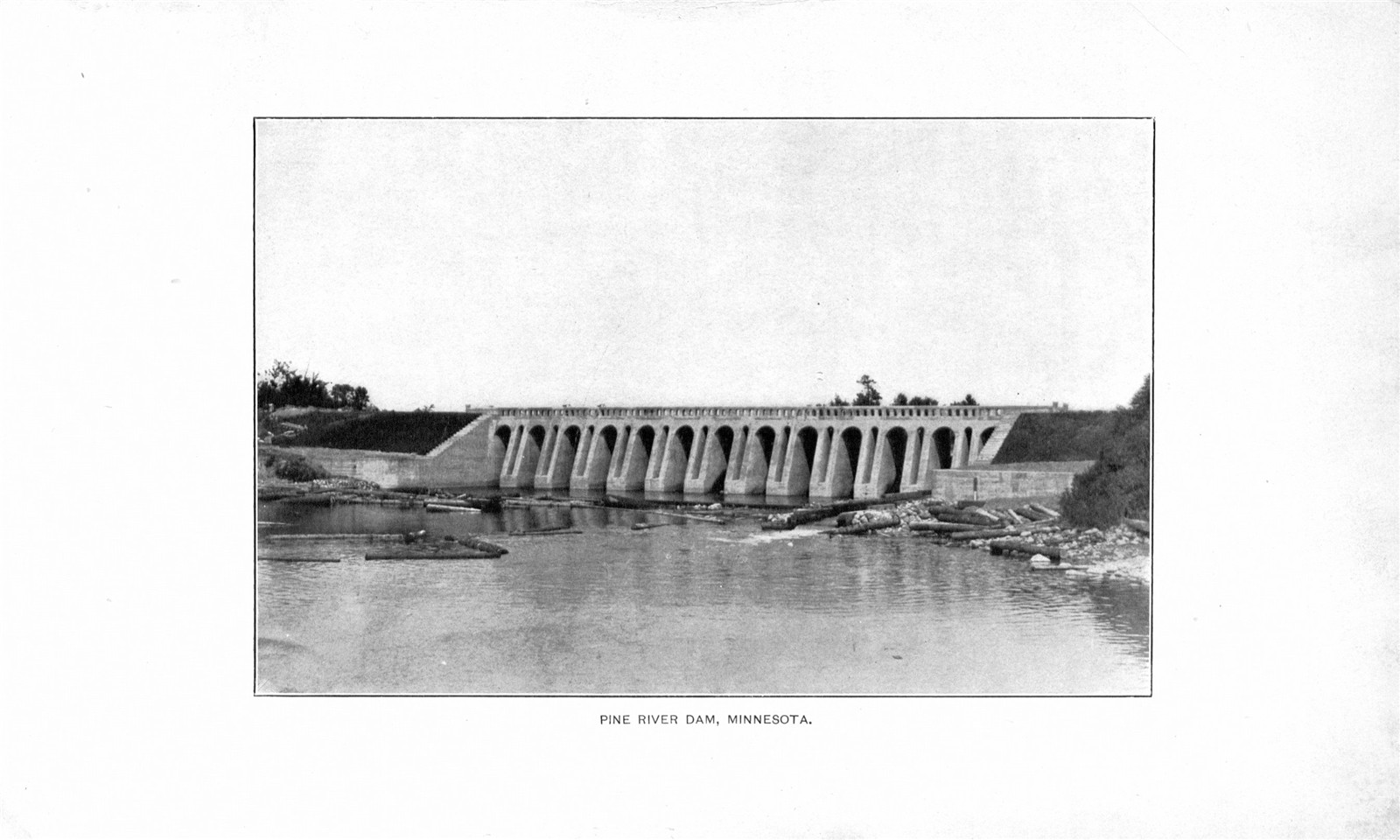
The Pine River Dam is where the Chain empties into the Pine River at Crosslake. Give yourself time to walk the public areas and see how close the water, campground and town are. If you want to understand what changed when the dam went in, read how the Chain took shape before you go. Stay within posted public areas around the dam.
Book the right campground
Use the Cross Lake Recreation Area campground to check open dates, site details and the amenities that matter to you. A site near the water, a particular hookup and a campsite that accommodates your rig are three separate things. For a shorter visit, the day-use area lists a swimming beach, accessible fishing piers and two reservable picnic shelters, one on each side of the dam.
Make a day of both sides of the road
The Historic Log Village is across County Road 3. See the water first, then spend time with the buildings and the people who look after them if tours are running. A walk and a meal in Crosslake make this a pleasant outing even if no one is camping.
See how the site is laid out
Look at the campground and day-use information separately before you arrive. If you have reserved a site, follow the instructions for your reservation. For an afternoon by the water, check which entrance gets you closest to the place you need. A family with lunch and towels may want a shorter walk to the shelter or swim area. Someone carrying a rod may care more about which pier is convenient. Use the operator's current information for facility access and the signs posted on the ground.
The dam is the part that helps the rest of the map make sense. Cross Lake is upstream of the outlet. The Pine River continues away below it. Look at both sides from public ground and give yourself a few minutes to notice the difference in water and shoreline. Keep clear of restricted areas around the structure. A little time reading the water from shore is enough to see why a map of the lakes and a photograph of the dam are worth looking at together.
Choose a spot that works for the whole group
The day-use area gives you a way to try the lake without bringing a boat. Pick a few things you would like to do close together. A short walk, time at the beach and a look at the dam make a good first visit. The official day-use page describes fishing piers and picnic shelters. If anyone in the group needs a particular kind of access, ask where to park and how to get from there to the place you want to use. A facility described as accessible is most helpful when you also know the route to reach it and the current condition of that route.
Reserve a shelter if you need a definite place for a larger group. Look at which side of the dam it is on. Give guests the location you actually booked and a meeting point. People driving in from different cabins can otherwise imagine they know the right place while they wait at two different ends of the park. For a small family, it can be just as pleasant to bring lunch and choose what to do once you see the weather. Make the appointment when the size of the group makes an appointment useful.
Stay the night if you want a slower visit
The campground suits people who like waking up near the water and walking somewhere without putting everything back in the car. The booking site lets you look at individual sites. Check driveway length and hookups if you bring a camper, and read the details for nearby facilities. A tent party may want shade and an easy walk to restrooms. A family planning to fish before breakfast may care more about how much gear it needs to carry and where it can keep it overnight. If the site fits your equipment but leaves nowhere for guests to park, ask about options before you tell people to come.
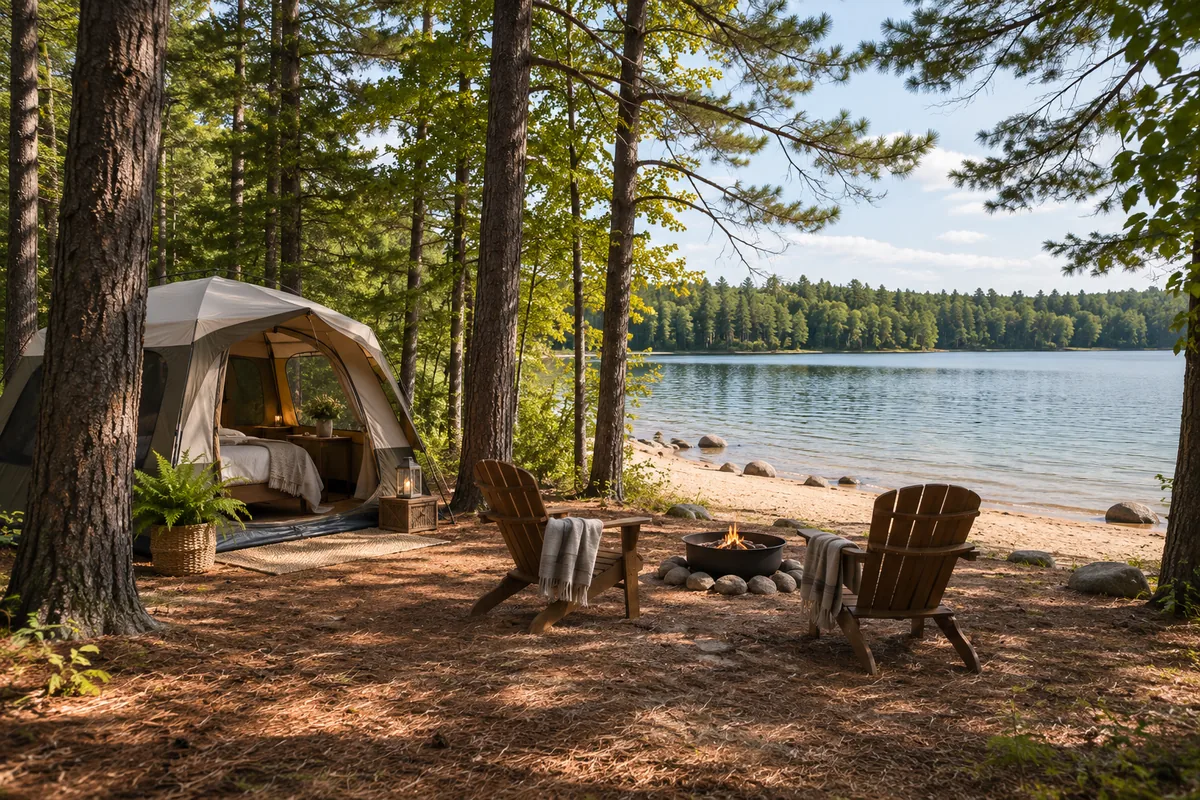
Bring enough flexibility for the days the lake gives you. A cloudy morning is good for a walk to town. A warm evening is worth keeping for a little more time around camp. Check allowed firewood and current restrictions before buying wood or packing it from home. If you are arriving with a boat, confirm the current rules for launching and securing it. Plan to have what you need at the site without storing something where it will be in the way of other visitors.
Cross the road for the history
The village is close enough to pair with the recreation area when tours are available. Start with whichever end has the tighter schedule. An open building and someone who can tell you about it make the village a different experience from a walk past it on a closed day. If you begin at the dam, look over the old image before crossing to the village. The structures there were part of a place people lived and worked. That is easier to understand after looking at the lake and river that organized so much of the community's activity.
Try one question on the tour. Ask where a building came from, what a family did to get supplies or how people traveled when the water was the easiest route. The village rewards attention to ordinary things. A day near the dam becomes more interesting when you can see the effects of the water on daily life, from getting to a neighbor's shore to making a trip for something you had run out of at home.
Finish with a reason to take your time
If the weather is kind, leave the last hour open. Watch the light change on the water or let the children choose whether to stay by the lake or walk into town for a meal. A simple plan is useful here because the park, village and town are so close. You can make the day feel full without spending much of it getting from one thing to the next. The first walk might be for the dam. The reason to come back may be the rest of the afternoon you found once you got there.
Give young visitors two ways to spend the same hour
Someone who wants to fish and someone who wants to swim can have different plans without needing two trips. Arrange to meet at a place everyone can find from the parking area. Check whether there is a path between the places you are using, particularly if the group is carrying gear or pushing a stroller. An outing close to town also gives people a chance to stop for what they forgot rather than spending the first hour improvising. That convenience is part of what makes this park such a good place for a first visit.